

By Melissa Lanoie, PT, DPT. GSPT Clinic Manager, Hooksett. Vestibular Specialist.
Have you ever felt dizzy, unsteady, or like the room was spinning? While occasional lightheadedness can happen to anyone, persistent problems with balance may be linked to vestibular dysfunction. This condition affects the vestibular system, the structures in the inner ear and brain that control balance, spatial orientation, and coordination.
Early in my career, I began seeing patients who described dizziness and imbalance that affected every aspect of their lives, yet many of them had been told there wasn’t much that could be done. I was struck by how debilitating these symptoms were and how quickly people could improve with the right evaluation and treatment. That combination of complexity and the opportunity to make a meaningful impact drew me in.
Over time, I realized vestibular rehabilitation was an area that was in short supply in our region, there simply weren’t enough practitioners to meet the needs of patients struggling with dizziness and imbalance. This led me to pursue advanced training, ultimately completing my certification in Vestibular Rehabilitation in 2015.
What Is Vestibular Dysfunction?
The vestibular system, located in the inner ear, helps you stay upright, steady, and aware of your body’s position in space. When it isn’t working properly, your brain receives mixed signals about movement and balance, leading to symptoms that can disrupt daily life. Vestibular dysfunction can be temporary or chronic, mild or severe, depending on the underlying cause.
Common Symptoms
Vestibular dysfunction can look different for everyone, but some of the most common symptoms include:
- Dizziness or vertigo – a spinning or swaying sensation
- Loss of balance or unsteadiness when walking
- Blurred or bouncing vision (especially when moving your head)
- Motion sensitivity – feeling worse when turning quickly or riding in a car
- Nausea or vomiting linked to dizziness
- Difficulty concentrating or brain fog
- Fatigue due to the extra effort of staying balanced
These symptoms can come and go, or they may persist and worsen over time.
Possible Causes
Vestibular dysfunction has many different causes, including:
- Inner ear disorders such as benign paroxysmal positional vertigo (BPPV), vestibular neuritis, or Ménière’s disease
- Head injuries or concussions that damage balance pathways
- Aging, which naturally affects the vestibular system
- Ototoxic medications (certain antibiotics or chemotherapy drugs that damage the inner ear)
- Circulatory issues that reduce blood flow to the inner ear
- Neurological conditions such as migraines or multiple sclerosis
Why It Matters
Vestibular dysfunction doesn’t just cause discomfort; it can significantly affect independence and quality of life. People with impaired balance are at higher risk for falls, may avoid activities they once enjoyed, and often struggle with confidence in everyday movements.
The good news is that most vestibular disorders are treatable. With proper diagnosis and targeted therapies, such as vestibular rehabilitation from a physical therapist, many people find lasting relief and regain control of their balance.

How Physical Therapy Can Help Treat Vestibular Disorders
It’s surprising how often patients normalize their symptoms or attribute them to “just getting older,” not realizing that many vestibular issues are highly treatable.
I’ve been consistently amazed by how significant the improvements can be, even in people who have been dizzy for years, once they receive the right diagnosis and targeted rehabilitation. It’s also surprising how strongly anxiety, stress, and fear of movement can influence the severity and persistence of symptoms. Treating vestibular disorders is never just about the inner ear; it’s about the whole person.
Fortunately, physical therapy offers effective, non-invasive treatments for vestibular disorders. Specialized vestibular rehabilitation therapy (VRT) is designed to retrain the brain and body to adapt, compensate, and restore balance. Through targeted exercises, patients can reduce dizziness, improve coordination, and regain confidence in their movements.
Common techniques include gaze stabilization (helping the eyes and inner ear work together), balance training, and habituation exercises to decrease sensitivity to motion. For certain conditions like benign paroxysmal positional vertigo (BPPV), physical therapists can perform repositioning maneuvers that often bring immediate relief.
The ultimate goal of vestibular physical therapy is to give patients back their independence and quality of life. If dizziness or balance issues are interfering with your daily routine, consulting with a physical therapist trained in vestibular rehabilitation can be a powerful first step toward recovery.
What to Expect During Your First Vestibular Physical Therapy Visit
If you’ve been referred to physical therapy for dizziness, vertigo, or balance problems, you might be wondering what your first visit will look like. Vestibular rehabilitation is a specialized type of therapy that helps your brain and inner ear work together to improve balance and reduce dizziness. Your first appointment is all about understanding what’s causing your symptoms.
- Discussion and Evaluation
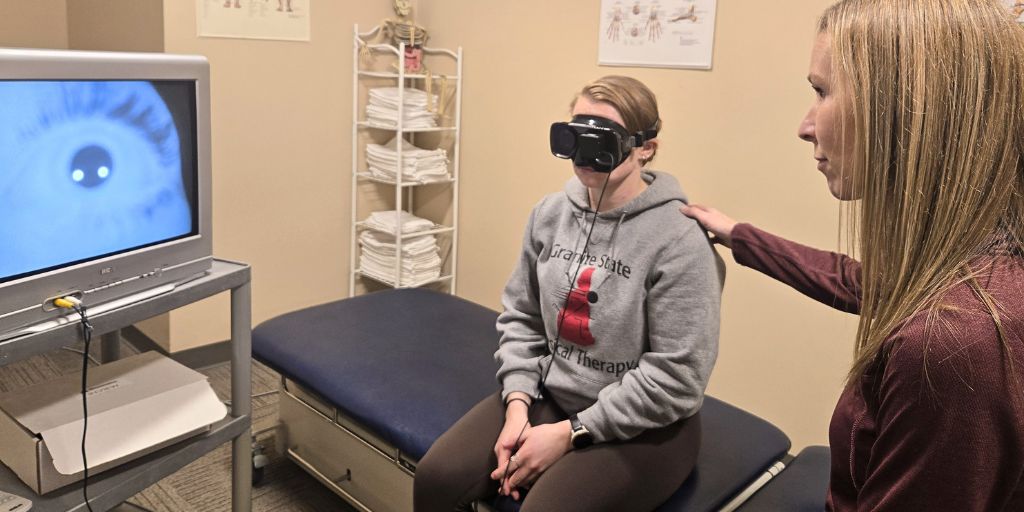
Your therapist will start by talking with you about your symptoms, including when they began, what triggers them, and how they affect your daily life. They’ll also review your medical history to better understand any underlying conditions. - Assessment of Eye, Head, and Balance Movements
You can expect a few gentle tests that look at how your eyes and head move together, as well as how you maintain your balance. These assessments help your therapist pinpoint which part of your vestibular system may not be working properly. - Personalized Treatment Plan
Based on your evaluation, your therapist will create a customized plan designed to help you move with confidence again. This might include specific head or eye exercises, balance training, and guidance on how to safely manage dizziness at home. - Education and Support
You’ll leave your first session with a better understanding of what’s going on and what you can do to help your recovery. Your therapist will answer questions, set realistic goals, and make sure you feel comfortable with each step of the process.
If everyday movements make you feel dizzy, off-balance, or fearful of falling, get in touch to book an appointment and learn how vestibular physical therapy can help you regain confidence and stability.