

By Grace Slevin, PT, DPT
To make the cold New England winter more enjoyable, many Granite Staters take to the slopes to enjoy and play in the snow. As a physical therapist here in New Hampshire, I tend to see an increase in winter-related injuries when the temperatures drop and the snow starts piling up. Whether you’re skiing, snowboarding, tubing, or managing the heavy snowfall we’ve received this year, there are ways to decrease your risk of injuries and stay healthy all winter long.
I moved to New Hampshire from Montana, where I grew up playing in the snow. Winter sports are a large part of the culture there and I competed in ski racing, freestyle moguls, and aerial skiing. These high speed and big air sports come with injury risk, but with proper preparation and training, that risk can be minimized. Cross-training and dry land conditioning are great ways to prepare your body for the slopes and to ensure a more enjoyable day on the mountain.
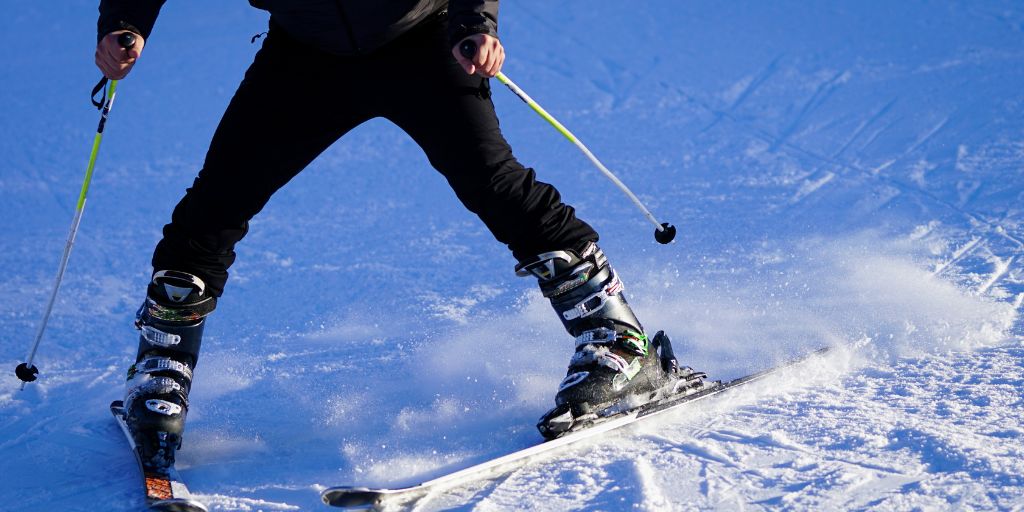
Common Winter Injuries We See in Our Clinics
During the winter months, we see a predictable increase in snow sport and snow-related injuries at our clinics.
Knee Injuries: Sudden starting, stopping, twisting, and slipping increase the risk of ligament injuries to the knee, including ACL, PCL, MCL, LCL and meniscus injuries.
Shoulder Injuries: Falling sideways onto the shoulder can injure the shoulder joint, rotator cuff muscles, or the collarbone.
Head Injuries: Falls on ice or packed snow can result in concussions or other head injuries and should always prompt evaluation by a medical provider. We provide concussion evaluations at all four of our clinic locations (Concord, Gilford, Hooksett, Plymouth).
Snow Shoveling Injuries
The amount of snow we’ve received this year has been substantial, and unfortunately, it has to be moved.
Back Injuries: Repetitive bending, lifting, and twisting while shoveling puts a high load on the muscles of the back and increases the risk of muscle strains or disc-related injuries. We regularly treat people for common injuries from snow shoveling; however, more emergent conditions are not typically seen in an orthopedic clinic.
Cardiac Events: Heavy weight, repetitive motion, and sudden exposure to cold temperatures can increase a person’s risk of a cardiac event while shoveling.
Seek emergency medical care immediately if you experience:
- Chest pain
- Sudden nausea or increase in anxiety
- Left arm or jaw pain
- Difficulty speaking
- Sudden neurological changes
- Severe headache
Please note cardiac events may present differently in women.
You can reduce risks by:
- Limiting shoveling to a few minutes at a time
- Warming up for 5-10 minutes prior to shoveling
- Wearing a mask or scarf to cover your mouth and humidify the air you breathe
- Resting frequently so as to not over-exert your upper extremities and heart
How Can Physical Therapy Help Prevent Winter Injuries?
Physical therapy takes a multi-facetted and individualized approach toward improving your mobility, safety, and return to sport. During your appointment, we can:
- Review exercises and interventions to improve balance
- Train you how to fall safely in the event of a slip on ice
- Assess points of strength to evaluate functional capacity of upper and lower extremities
- Evaluate core strength and cardiovascular endurance
- Determine your readiness for skiing, snowboarding, and snow shoveling
Injury prevention is a major part of what we do at our Concord, Gilford, Hooksett, and Plymouth clinics.
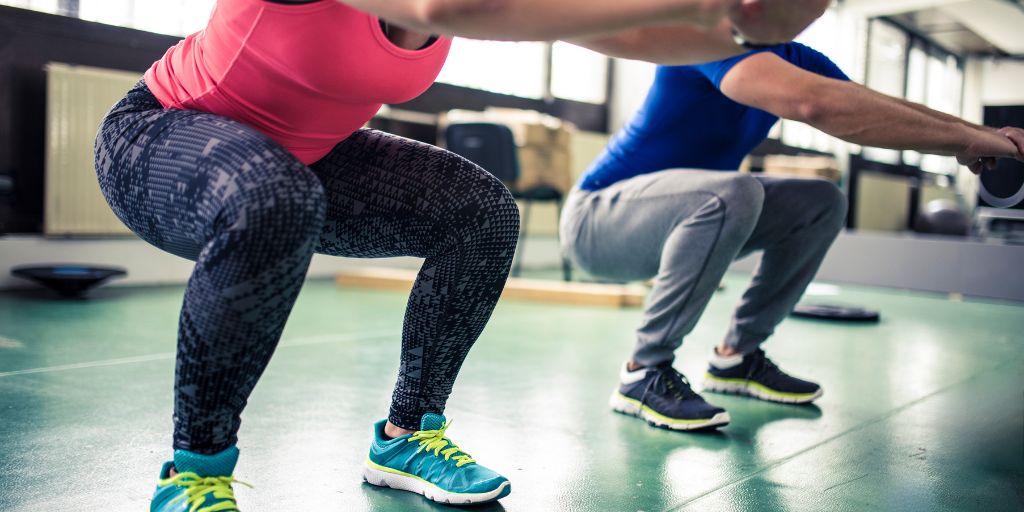
Dry Land Training to Prepare for Ski Season
Dry land training is beneficial in preparing the legs for an engaging and fulfilling day on the mountain. Below are a few exercises I like to use to ensure my legs are ready to hit the slopes:
Wall Squats: Lean against a wall with your back flat and feet 2-3 shoe lengths away. Lower your hips until your thighs are parallel to the ground. Hold for 30-60 second. Repeat 3-4 rounds.
Air Squats: Stand with feet hip-width apart or slightly wider. Sit back as if lowering into a chair. Perform 3 rounds of 10-15 repetitions to build endurance. Aim closer to 15 reps to simulate sustained downhill skiing.
Squat Jumps: Stand with feet hip-width apart or slightly wider. Lower into a quarter squat and quickly extend your legs to jump upward. Bend your knees upon landing to absorb impact, minimizing the shock absorption needed for uneven terrain. Perform 4 rounds of 8 repetitions.
Bounding Jumps: Jump from either one foot or both feet and land on one or both feet while absorbing the landing fully. Aim to land in an athletic position with knee and hip slightly bent and trunk slightly leaning forward. Perform 2 rounds of 10 repetitions in varied patterns.
Our physical therapists at all four of our Granite State Physical Therapy locations are here to help you prevent injury and return to sport safely and successfully. Injury prevention plays a critical role in maintaining performance and enjoyment throughout the winter season.
Please feel free to reach out to any of our clinics for an evaluation and education on ski injury prevention.